How to Make Your Website Visible in AI-Powered Search
Get cited in Google AI Overviews, AI Mode and ChatGPT search: crawl access, clear answers, structured data, AI crawler controls and measurement.

More customers now get their first answer from an AI summary: Google's AI Overviews and AI Mode, or assistants such as ChatGPT search that cite their sources. The question for a growing business is simple: when an AI answers a question about what you do, is your website one of the links?
You don't need a secret playbook. You need solid SEO, genuinely useful pages and a few deliberate decisions about which crawlers can access your site.
The SEO fundamentals still decide who gets cited
Google is direct about this. Its Search Central guide AI features and your website says the best practices for SEO remain relevant for AI Overviews and AI Mode, and that there are no additional requirements to appear in them, nor other special optimizations necessary.
The same page explains that both features may use a "query fan-out" technique, running multiple related searches across subtopics, so they can show a wider set of supporting links than a classic search. Focused pages that each answer a specific question well have more chances to be picked.
Be wary of shortcuts: Google states you don't need new machine-readable files, AI text files or special schema.org markup to appear.
Make sure your pages can be crawled and indexed
To be eligible as a supporting link in AI Overviews or AI Mode, Google says a page must be indexed and eligible to be shown in Google Search with a snippet. Remove the obstacles you control:
- Allow crawling in robots.txt, and check that your CDN, firewall or hosting bot protection isn't blocking legitimate crawlers.
- Make important pages easy to find through internal links.
- Keep important content in text, not only inside images (prices, service areas, opening hours).
- Verify your site in Google Search Console and use the URL Inspection tool to confirm Google can fetch and index your key pages.
Write clear answers for real people
AI summaries draw on pages that answer questions clearly. Google's guidance on creating helpful, reliable, people-first content asks whether your content "clearly demonstrate[s] first-hand expertise and a depth of knowledge", for example from having actually used a product or service.
That is a small business's edge: you know your customers' real questions and your actual process. Put that on the page:
- Answer one main question per page, with the direct answer near the top and the detail below.
- Use descriptive headings that match how customers phrase their questions.
- Add specifics only you can provide: what your service includes, typical timelines and the trade-offs you explain to clients.
- Show who is behind the content. Google's same guide suggests asking whether it is self-evident who authored your content and whether bylines lead to more information about the author.
Keep structured data and business details consistent
Structured data won't unlock AI features on its own, but Google lists "making sure your structured data matches the visible text on the page" among the fundamentals that still matter. Never mark up reviews or prices visitors can't see.
Google also lists checking that your Merchant Center and Business Profile information is up to date. Its Business Profile guidelines ask you to represent your business as it is consistently represented and recognised in the real world. Use the same business name, address, phone number, hours and service descriptions on your website, your Business Profile and the directories you're listed in.
Decide which AI crawlers can access your site
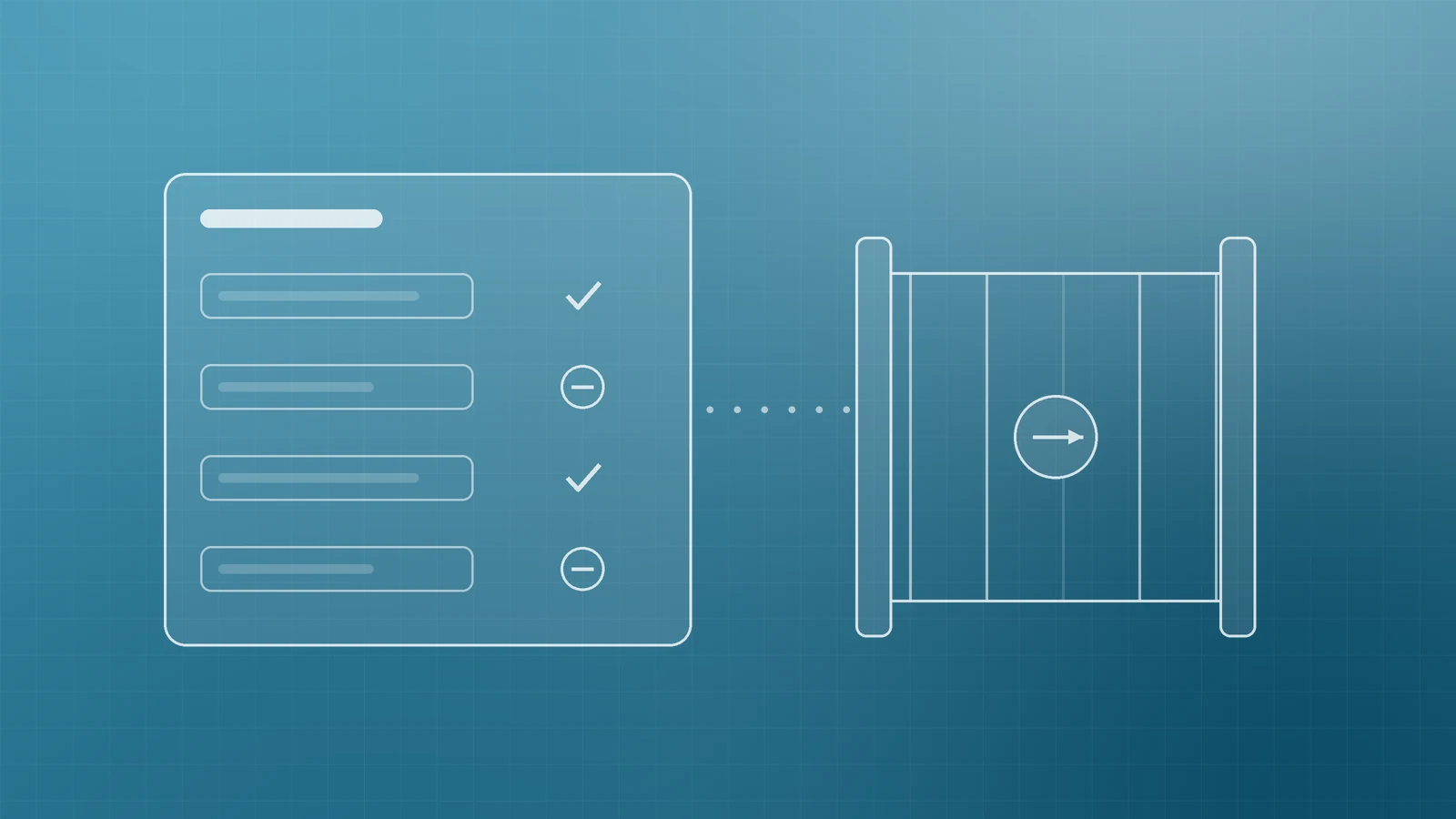
Different crawlers serve different purposes, and the major providers let you control them separately in robots.txt.
- Google Search: Google explains that robots.txt rules for Googlebot are the control for how your site is crawled for Search, including its AI features. To limit what is shown from a page, use nosnippet, data-nosnippet, max-snippet or noindex. Google's robots meta tag documentation confirms nosnippet applies to AI Overviews and AI Mode and prevents the content being used as a direct input for them. Remember the trade-off: a page needs a snippet to be eligible as a supporting link.
- Google-Extended: According to Google's crawler documentation, this robots.txt token manages whether your content may be used for training future Gemini models and for grounding in Gemini Apps and Vertex AI, and it does not affect inclusion or ranking in Google Search.
- OpenAI: OpenAI's crawler overview says OAI-SearchBot is used to surface websites in ChatGPT's search features, and sites that opt out of it will not be shown in ChatGPT search answers, though they can still appear as navigational links. GPTBot is separate: disallowing it signals your content should not be used to train OpenAI's foundation models. OpenAI notes it can take about 24 hours for its search systems to adjust after a robots.txt change.
If you want visibility, allow Googlebot and OAI-SearchBot, then decide separately about training crawlers such as GPTBot and Google-Extended. For example, to allow ChatGPT search but opt out of training:
User-agent: OAI-SearchBot
Allow: /

User-agent: GPTBot
Disallow: /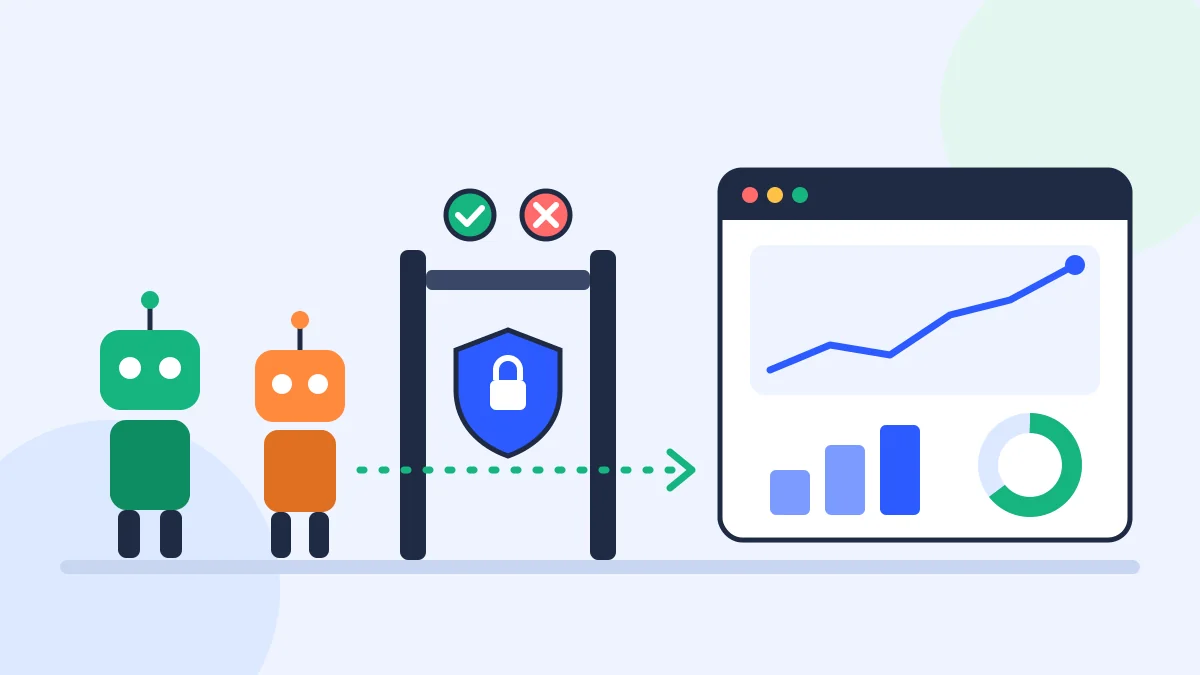
Measure what AI search sends you
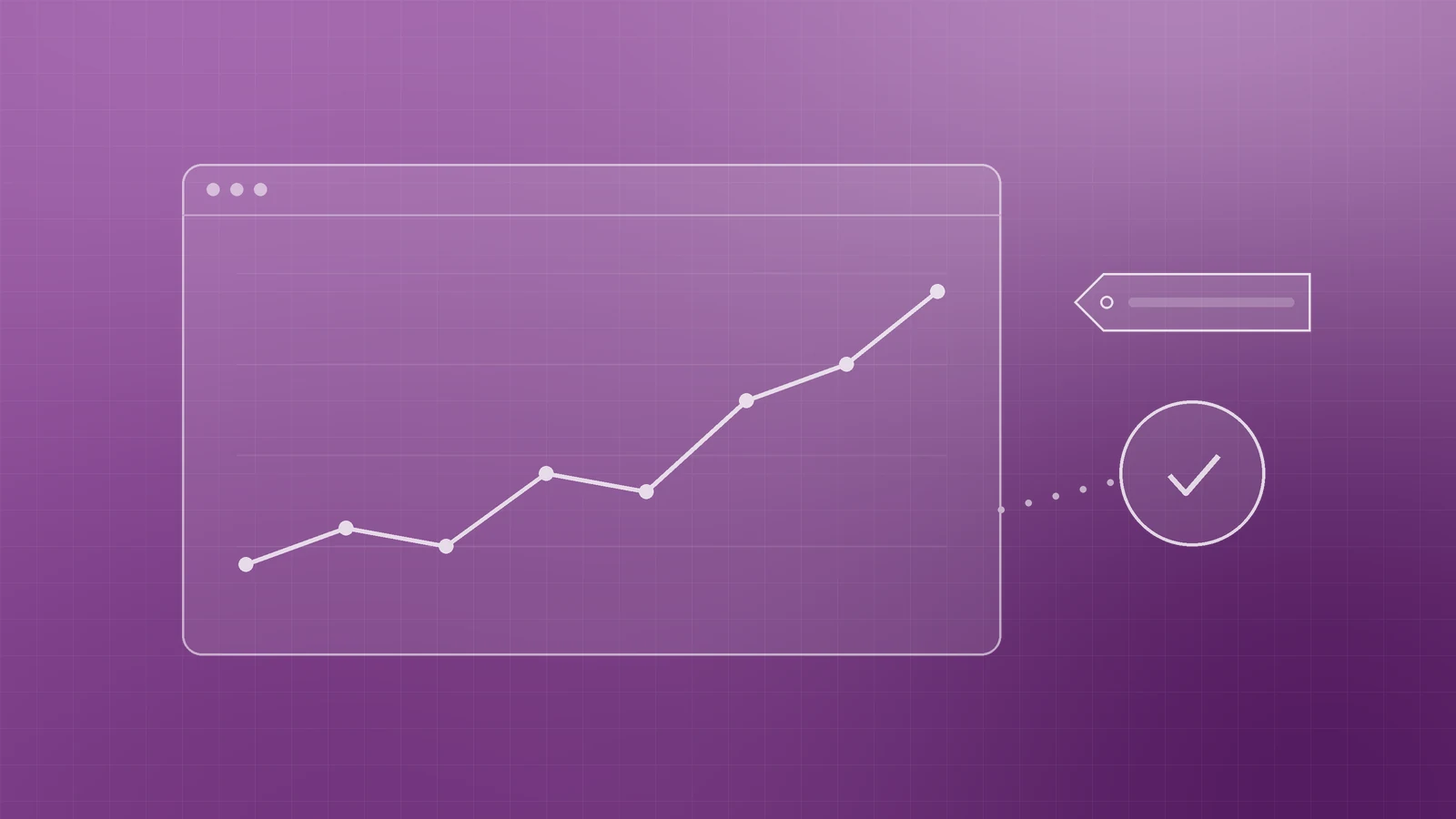
Google says traffic from AI Overviews and AI Mode is included in the overall search data in Search Console, within the Performance report under the "Web" search type. Watch trends in impressions, clicks and queries for your key pages.
For ChatGPT, OpenAI's Publishers and Developers FAQ says ChatGPT automatically includes utm_source=chatgpt.com in referral URLs. In Google Analytics 4, check your traffic acquisition reports for that source and other AI assistant referrers, and track the outcomes that matter, such as enquiries and sales, not just visits.
AI search visibility checklist
- Key pages indexed and inspected in Search Console
- robots.txt, CDN and firewall settings allow the crawlers you want
- Important content available as text, linked internally
- One clear question answered per page, near the top
- First-hand expertise, specifics and clear authorship
- Structured data matches visible content
- Business name, address, phone and hours consistent everywhere
- A deliberate decision on OAI-SearchBot, GPTBot and Google-Extended
- Monthly review of Search Console and GA4 referrals, tied to leads
Be the source worth citing
AI-powered search rewards what good search always has: trustworthy pages that answer real questions better than anyone else. If you'd like help auditing your site for crawlability, content and AI crawler settings, or setting up measurement that shows what AI search is really worth to you, talk to the team at Inferas.