Link Building for Small Businesses: How to Earn Quality Backlinks Safely
Earn quality backlinks safely: why links matter, Google’s link spam rules, rel attributes, practical tactics, and a monthly plan.
Backlinks—links from other sites to yours—help Google discover pages and judge which ones are useful. Google’s ranking systems include link analysis (PageRank remains part of those systems), and Google’s own guidance is clear: the durable way to earn links is unique, compelling content people want to cite—not schemes that try to manufacture ranking credit.
For a small or growing business, “link building” should mean link earning: real mentions from directories, partners, journalists, and useful assets—done within Google’s rules.
Why links matter (per Google)

Google finds most new pages by following links. Its SEO starter guide notes that the vast majority of new pages discovered each day come through links, and that links also help users and Search understand related resources. In the ranking systems guide, Google describes systems that understand how pages link to each other—including PageRank—as part of core ranking.
Links are one signal among many. Quantity without relevance or trust is not a strategy.
What to avoid: link spam

Google’s spam policies define link spam as creating links primarily to manipulate rankings. Examples include:
- Buying or selling links (or posts that contain links) for ranking purposes—including exchanging money, goods, or services for a link
- Excessive link exchanges (“link to me and I’ll link to you”) or partner pages built only for cross-linking
- Automated programs or services that generate links to your site
- Low-quality directory or bookmark links, widget/footer link blasts, and spammy forum comments with optimized anchors
- Creating low-value content primarily to manipulate linking and ranking signals (the pattern behind many private blog networks)
Google’s site position FAQ warns that unnatural paid, exchange, or auto-generated schemes can do more harm than good. Paid advertising and sponsorships are a normal part of the web—but those links must be qualified so they do not pass ranking credit as if they were editorial endorsements.
Qualify paid and user-generated links

When a link involves payment, sponsorship, or advertising, mark it with rel="sponsored" (preferred) or rel="nofollow". For links in comments, forums, and other user-generated content, use rel="ugc" (or nofollow). Google documents these values in Qualify outbound links. Ads and sponsorships that pass ranking credit without qualification can violate link spam policy.
Guest posts and native ads that exist mainly to pass ranking credit—especially with keyword-stuffed anchors—are called out as spam patterns. If you publish or place sponsored content, qualify the commercial links and write for readers, not for a loophole.
Practical ways to earn links

Focus on sources that would mention you even if Search did not exist:
- Linkable assets — Original guides, calculators, data summaries, templates, or case explainers people cite when answering a question. Google’s advice on natural links starts with unique, compelling content.
- Local and industry directories & associations — Legitimate chambers, trade bodies, supplier directories, and professional associations where membership or listing includes a real profile URL—not mass “SEO directory” submissions.
- Partners and suppliers — Ask for a link on an existing “partners,” “where to buy,” or case-study page when the relationship is real.
- Digital PR and journalist requests — Pitch newsworthy angles, data, or expert commentary; respond to relevant reporter queries with substance, not a generic link dump.
- Unlinked brand mentions — Search for your brand name without a URL. When a useful page already talks about you, a polite request to add a link to the right page often works.
- Broken-link reclaim on your own moves — After URLs change, keep server-side redirects (as covered in our redesign guidance) and ask known partners to update bookmarks that still point at dead paths.
- Guest content done right — Contribute a genuine article to a site your audience already reads. Avoid paid “guest post packages,” identical syndication for link credit, and over-optimized anchors. Qualify any paid placement.
Internal linking still counts
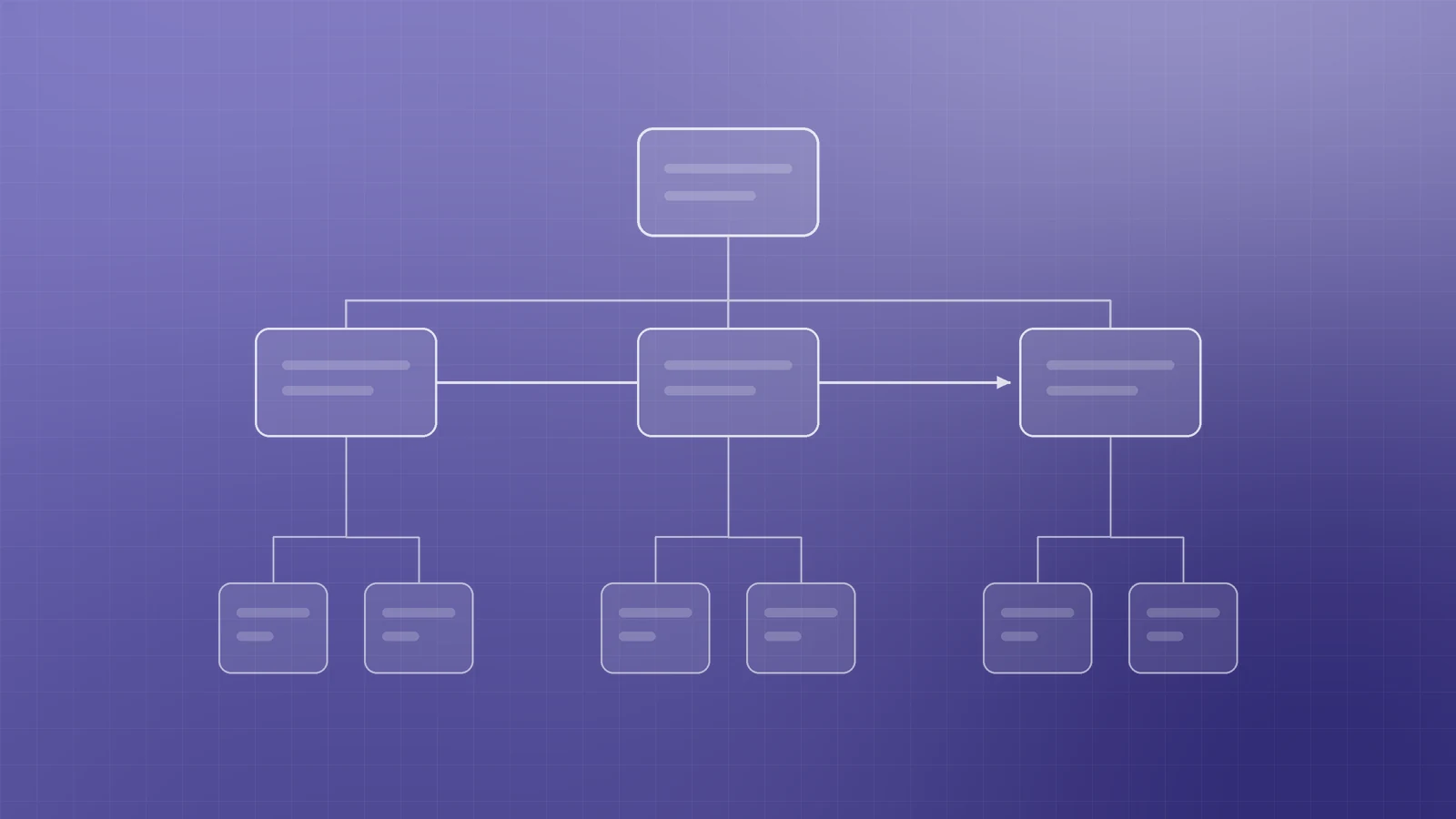
External links are only half the story. Clear internal links with descriptive anchor text help people and Google move between your important pages—Google’s link best practices cover crawlable a href links and useful anchors. Link from strong pages to the pages you want discovered; avoid orphan pages.
Measure with Search Console
Use the Links report in Google Search Console to review top linked pages, top linking sites, and common link text. Treat it as a sample of what Google has seen—not a complete backlink inventory—and check that linking sites look legitimate for your brand.
A simple monthly plan
- Week 1 — Asset — Improve or publish one page worth citing (guide, tool, or resource).
- Week 2 — Outreach — Contact five real partners, associations, or publishers with a specific, useful ask.
- Week 3 — Reclaim — Fix unlinked mentions, update partner URLs after moves, and tidy internal links to priority pages.
- Week 4 — Review — Check the Search Console Links report; note new domains and drop any tactic that smells like spam.
Repeat. Consistency beats bursts of paid link packages.
Checklist

- Prefer earned editorial and relationship links over bought ranking credit.
- No PBNs, link farms, automated link tools, or excessive reciprocal schemes.
- Use rel="sponsored" / nofollow for paid or sponsored links; rel="ugc" for user content.
- Invest in one linkable asset and a short list of real directories, associations, and partners.
- Keep internal links crawlable with clear anchors; maintain redirects when URLs move.
- Review Search Console Links monthly; ignore vanity link counts from spammy sources.
Build a backlink profile you can defend
Safe link earning is slow on purpose: useful pages, honest relationships, and clear disclosure when money changes hands. That approach aligns with Google’s documentation and with how customers actually find you.
If you want help auditing risky links, planning linkable assets, or tying outreach to your broader SEO and content work, the Inferas team can help. Get in touch at https://inferas.in.