A Simple Content Marketing Plan Small Businesses Can Stick To
A content plan you can actually keep: pick 1-2 channels, set topic pillars, choose a realistic cadence, repurpose everything and track real leads.

Most small business content plans don't fail because the ideas are bad. They fail in week three, when a busy month arrives, the blog goes quiet and nobody can say whether any of it was working.
The fix isn't more content. It's a smaller, clearer system: a few channels, a few topics, a rhythm you can keep in your worst month, and a way to see which pieces actually bring in enquiries. Here's how to build one.

Why "simple" beats "ambitious"
Having a content strategy is no longer unusual. In the Content Marketing Institute's research for 2026, 97% of B2B marketers said they have a content strategy, and among those who saw results improve, the most common driver (cited by 74%) was refining the strategy itself, not adding new tools. A year earlier, CMI found that fewer than a third (29%) rated their strategy as extremely or very effective.
The lesson for a small team is simple: having a plan isn't the hard part. Having one that's focused and that you actually follow is.
Step 1: Choose one or two channels, not six

Every channel you add is another thing to feed every week. Start with:
- One "home base" you own, usually a blog on your website or an email newsletter. You control it, it builds up over time, and it's where people can contact or buy from you.
- One distribution channel where your customers already spend time: LinkedIn for most B2B services, Instagram or Facebook for local and visual businesses, YouTube if your work is easier to show than describe.
A quick test: where did your last ten good customers first hear about you? That tells you where to show up. Add a third channel only once the first two run smoothly.
Step 2: Set three to four topic pillars tied to what you sell
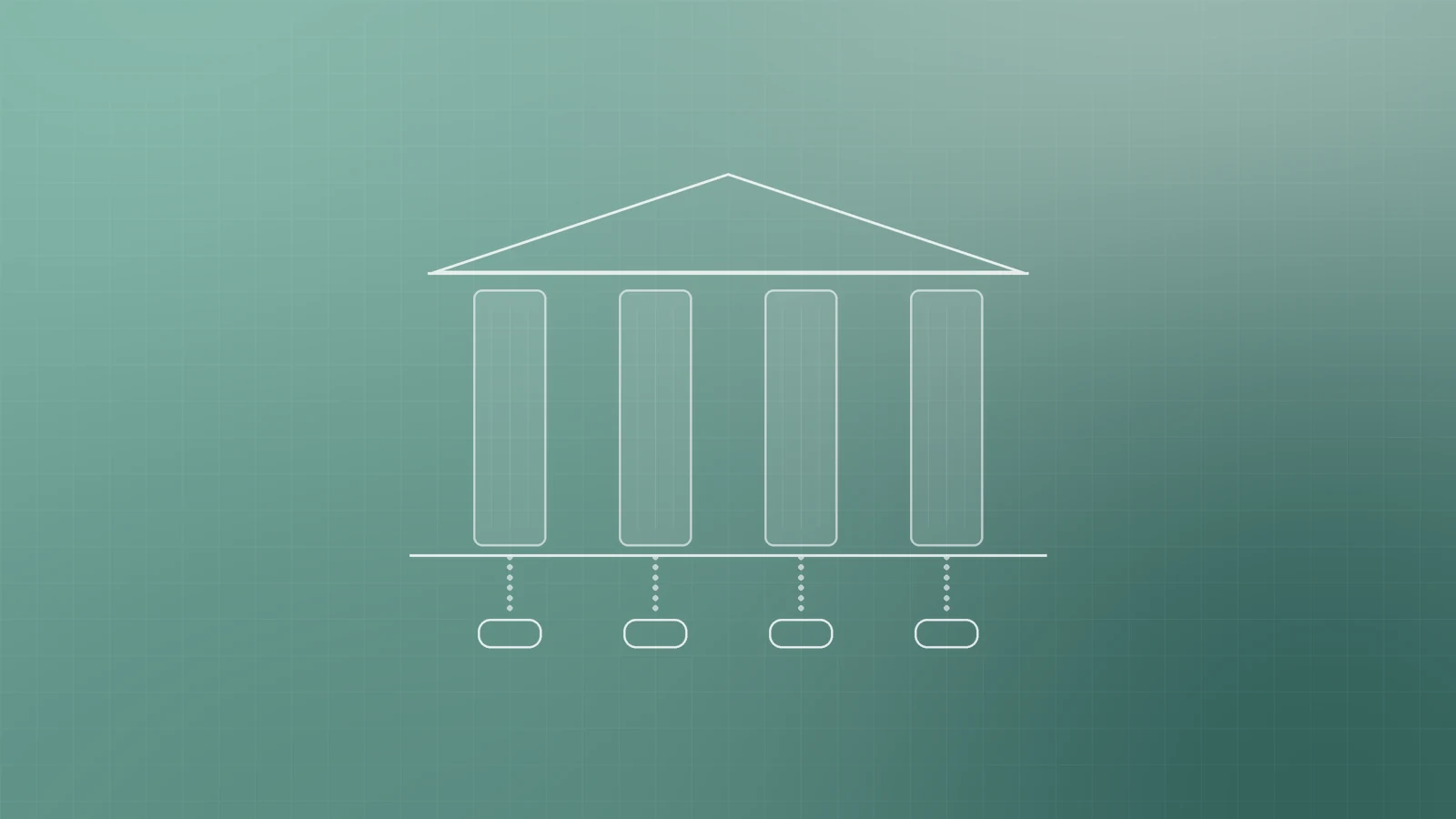
Topic pillars are the few broad themes you'll return to again and again. Each one should connect directly to a product or service, so every piece of content has a natural path to an enquiry.
For a bookkeeping firm, that might look like:
- Pillar 1: Getting tax-ready (links to your tax filing service)
- Pillar 2: Cash flow for small businesses (links to monthly bookkeeping)
- Pillar 3: Choosing and using accounting software (links to setup and training)
- Pillar 4: Behind the work (how you work, client questions, your team)
To fill each pillar, list the questions customers ask before buying, the objections that slow a sale and the mistakes you fix most often. Your inbox and sales calls are your best topic research.
This also matches what search engines reward. Google's guidance on creating helpful, people-first content asks whether your content demonstrates first-hand expertise and whether your site has a clear primary focus, and it warns against producing lots of content on many different topics in the hope that some of it performs.
Step 3: Pick a cadence you can keep in a bad month

Consistency matters more than volume. Choose the rhythm you could sustain during your busiest season, not your quietest one. A realistic starting point for a small team:
Every month
- One substantial piece: a practical guide, a how-to, or an answer to a common customer question, published on your blog.
- One planning session (an hour is enough) to choose next month's topics from your pillars.
Every week
- Two or three short posts on your distribution channel, mostly drawn from the monthly piece.
- Fifteen minutes replying to comments and messages. Conversations are where content turns into leads.
Keep it in a shared spreadsheet with four columns: date, pillar, format and channel. If you fall behind, cut volume rather than skipping weeks.
Step 4: Create once, repurpose many times

Repurposing is what makes a small team look bigger. One solid monthly article can become:
- Three to five social posts, each built around one tip or point from the article
- A short checklist or carousel summarising the steps
- An email to your list with the key takeaway and a link to the full piece
- Answers you can paste into sales emails and FAQ pages when customers ask the same question
Write the long piece first, then break it down. It's faster than inventing five unrelated ideas and keeps your message consistent.

Step 5: Measure leads, not likes
Likes, impressions and follower counts are easy to see and easy to over-value. They show reach, not whether content brings in business. Track the numbers that connect content to revenue:
- Enquiries and sign-ups that came from content. In Google Analytics, actions such as a contact form submission can be marked as key events, which lets you see which landing pages and channels led people to take that action.
- Clicks from your social and email posts. Add UTM parameters (such as utm_source, utm_medium and utm_campaign) to the links you share, so visits from a LinkedIn post or newsletter show up as their own traffic source rather than a blur.
- What customers tell you. Add a simple "How did you hear about us?" field to your enquiry form, and ask on calls. It catches what analytics misses, like someone who read three posts and then phoned you.
Review once a month. Which pillars produced enquiries? Which formats got clicks rather than just reactions? Do more of what works, and drop what doesn't, without guilt.
Your one-page content plan
If you want to start this week, fill in these blanks:
- Home base: blog or newsletter
- Distribution channel: one platform where your customers already are
- Pillars: three or four themes, each tied to a service or product
- Cadence: one main piece a month, two or three short posts a week
- Repurposing: every main piece becomes at least three smaller ones
- Measurement: enquiries from content, tagged clicks and "how did you hear about us?", reviewed monthly
That's a plan you can run alongside a real business, and one that improves every month because your own results guide each decision.
Want help building a content system that brings in leads?
Planning content is easy. Keeping it consistent and connected to real enquiries is where most businesses get stuck. The team at Inferas can help you choose the right channels, shape topic pillars around your services, and set up the tracking that shows what's working.
Get in touch with us at inferas.in for a practical conversation about where your content can do more for your business.